How to Cook · Stocks & Soups
Pork Ramen
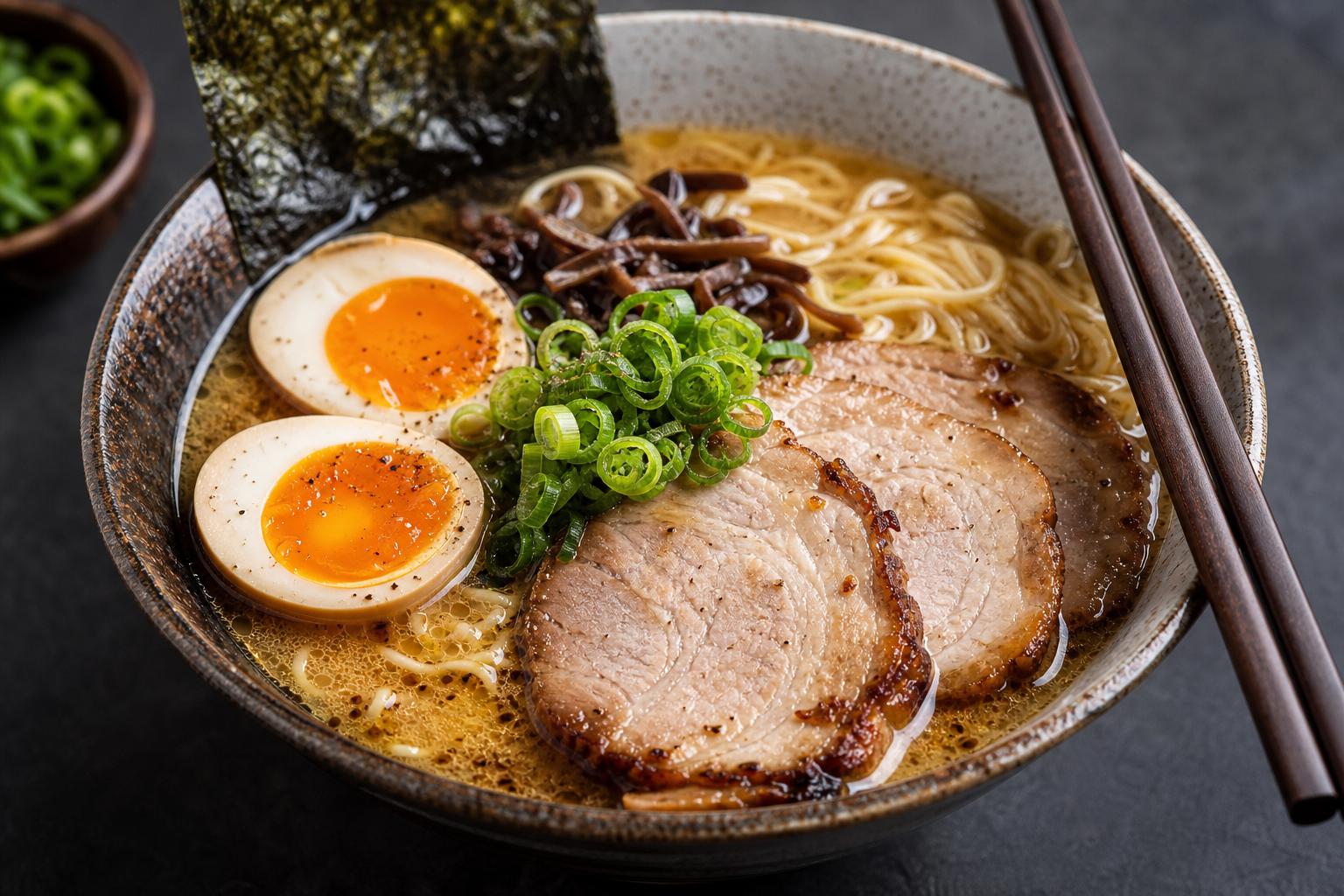
This recipe combines
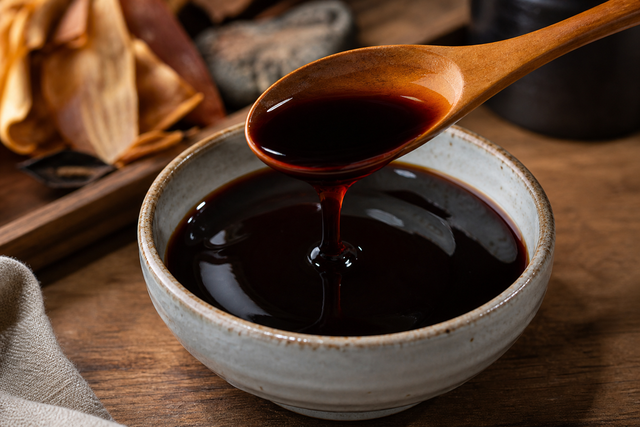
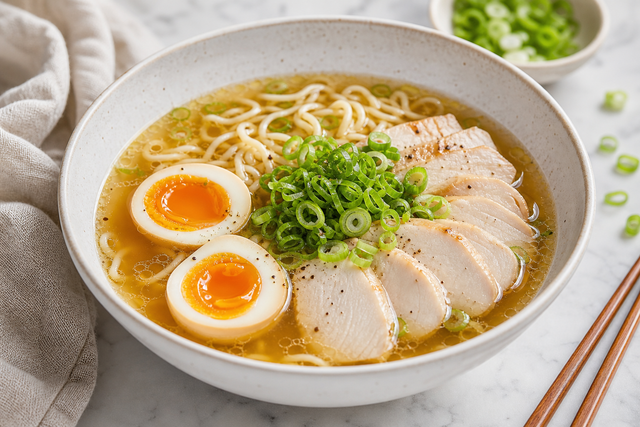
A clear, lightly sweet pork ramen: pork shoulder braised in water until it makes its own rich broth, seasoned with tare, and served over noodles with wilted napa cabbage. It leans toward Dōtonbori Kamukura–style ramen — simple, comforting, and hard to mess up. The seasoning that carries the whole bowl is tare, a salty-sweet soy-mirin-sugar reduction, so this page includes it. The tare also stands on its own and is worth keeping in the fridge.
Serves 4
Ingredients
For the tare (about ¾ cup)
For the ramen
Stocks & Soups


Method
Make the tare
Combine the soy sauce, mirin, and sugar in a small saucepan, bring to a gentle simmer, stirring until the sugar dissolves, then simmer 5–8 minutes, until slightly syrupy but still pourable, and let cool (or microwave in 30-second bursts, stirring between each, about 2–3 minutes total).
Braise the pork
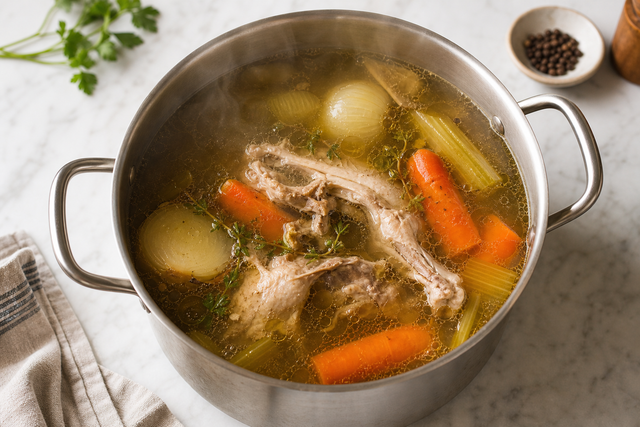
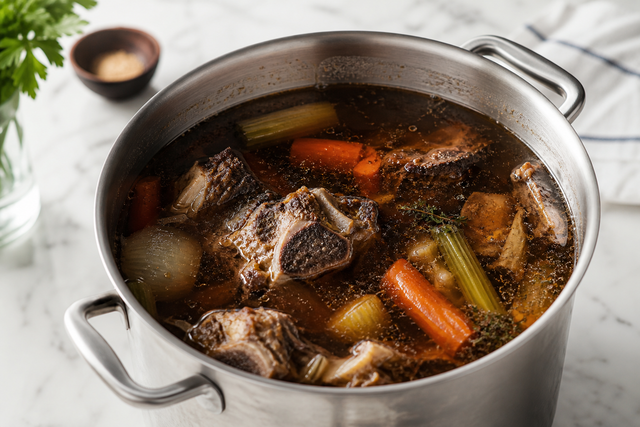
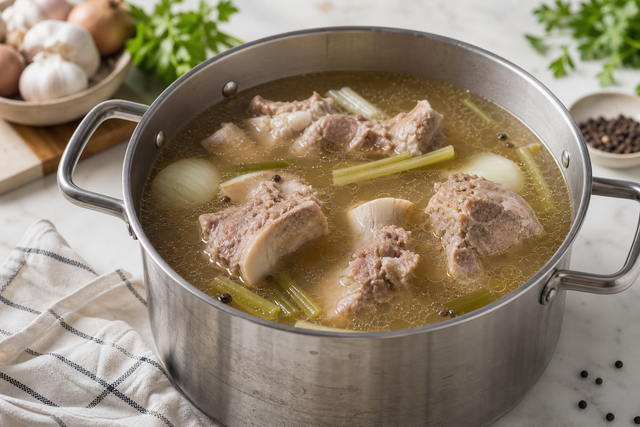
Heat the oven to 325°F. Heat 1 tablespoon neutral oil in a Dutch oven over medium-high heat and brown the pork deeply on all sides, in batches if cut into chunks. Add the water and leek, bring to a bare simmer, and skim off any foam in the first 15 minutes — do not let it boil hard, or the broth turns cloudy. Press a sheet of foil over the pot, set the lid on top, and braise in the oven 2½–3 hours, until the pork is fork-tender. Remove the pork and set aside, strain the broth, discard the leek, and return the broth to the pot, then pull the chunks once cool enough to handle (or keep a whole shoulder for chashu, below).
Season, cook, and assemble
Add the garlic: for the strongest flavor, purée or finely grate the whole head and stir it into the hot broth to take off the raw edge; for garlic oil instead, thinly slice the garlic, start it in the ½ cup oil in a cold saucepan, and cook over low heat until pale gold, serving it on the side rather than dumping it all into the pot. Stir ½ cup tare into the broth and taste before adding more — it should be savory, lightly sweet, and seasoned enough to carry plain noodles; if the balance is right but it's still flat, add salt, and keep at a bare simmer. Heat the remaining tablespoon of oil in a wide skillet over medium-high heat, add the napa cabbage, and cook, tossing, until the white parts begin to soften but the leaves stay bright, 3–4 minutes, then add to the broth and simmer another 2–3 minutes. Cook the noodles separately per package instructions (discard any instant flavor packets), drain well, and divide among four bowls, then add the pork, ladle over the cabbage and hot broth, and finish with garlic oil, scallions, a soft-boiled egg, or chili oil if using.
To make chashu-style pork a day ahead: keep the shoulder whole during the braise. Mix ¼ cup tare with ¼ cup water, submerge the warm shoulder in it, and refrigerate overnight, turning once or twice. Refrigerate the strained broth separately. The next day, slice the pork across the grain and reheat the slices gently in the broth.
Part of Stocks & Soups in the How to Cook series.